Artificial Intelligence
Computational methods to extract knowledge and support decisions in complex problems.

Recognizing patterns in human behavior and perception to make explicit the knowledge that guides our decisions and actions.
Rafael Orsi | Pattern Recognition Researcher.
Applied research in artificial intelligence, signal processing and data analysis, focused on understanding perception, decision-making and human behavior.
PhD in Electrical Engineering, researcher and professor in Data Science and Artificial Intelligence, with research focused on the analysis, understanding and modeling of patterns in data, integrating Multivariate Statistics, Machine Learning and Computer Vision.
In research and teaching, he develops and applies quantitative and computational methods to investigate phenomena, interpret evidence and produce knowledge from data.
Computational methods to extract knowledge and support decisions in complex problems.
Predictive modeling, classification, multivariate analysis and pattern recognition.
Analytical pipelines, statistics and visualization that turn data into evidence.
Processing of images, video and eye-tracking data.
Investigation of attention, cognitive load, experience and human performance.
Mathematical and computational methods for the analysis of multidimensional signals.

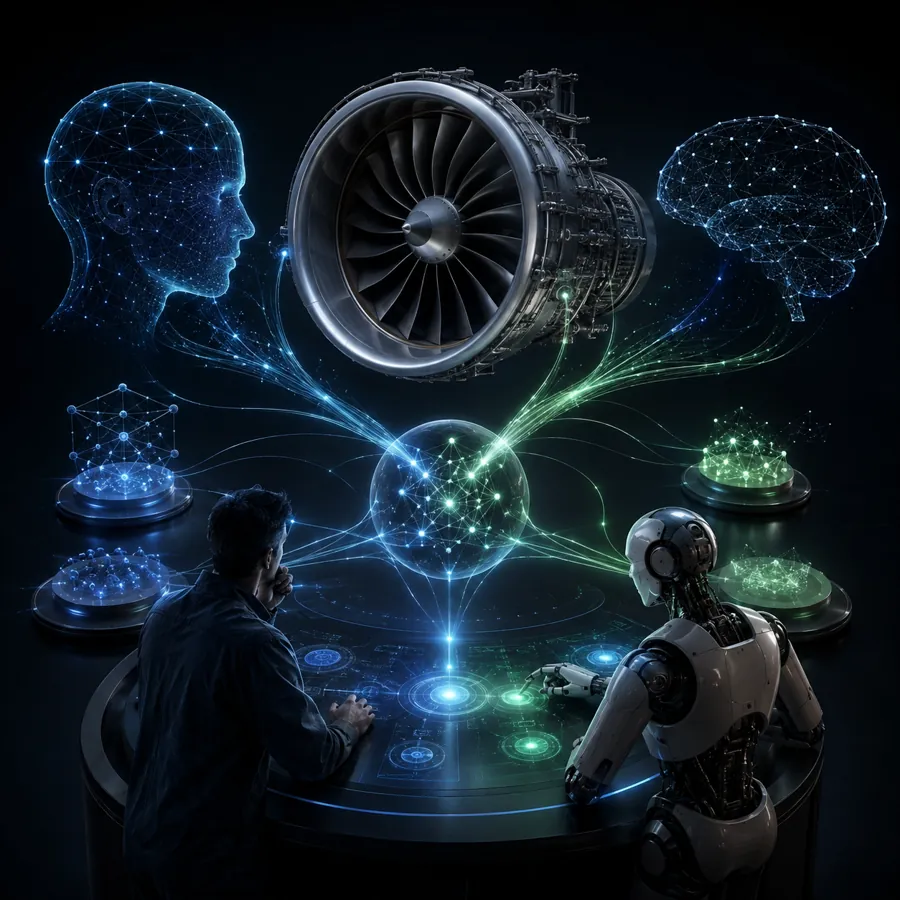
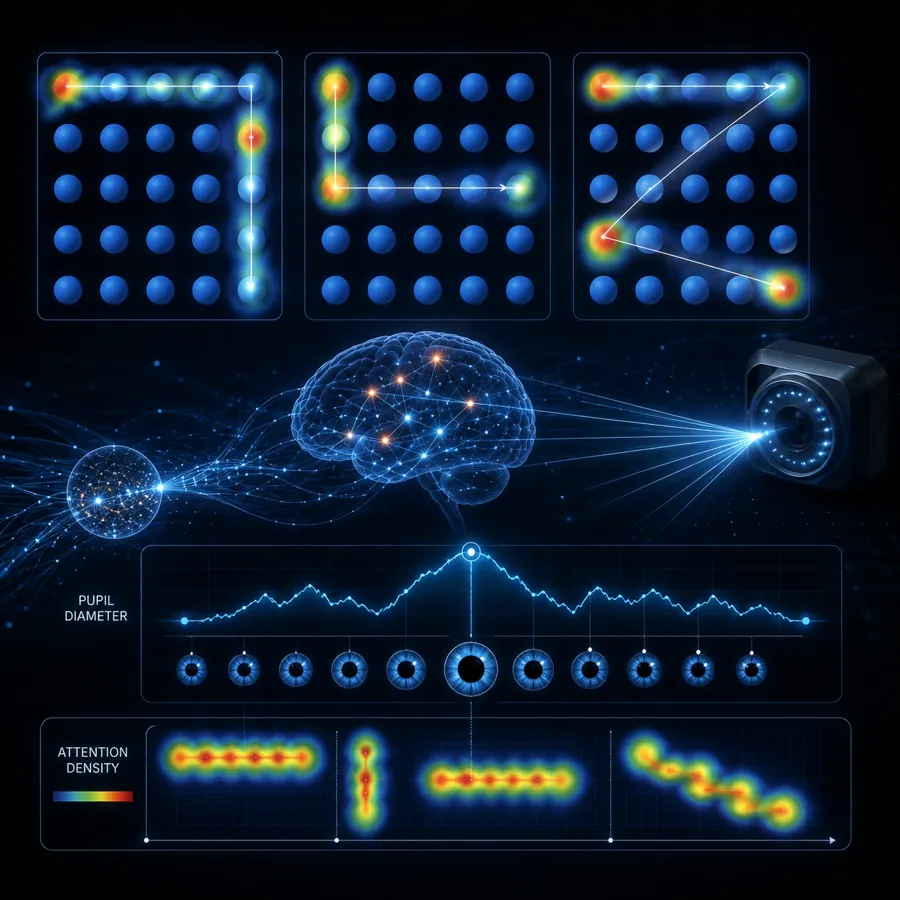
Eye tracking and computational modeling to turn implicit cognitive strategies into explicit representations.
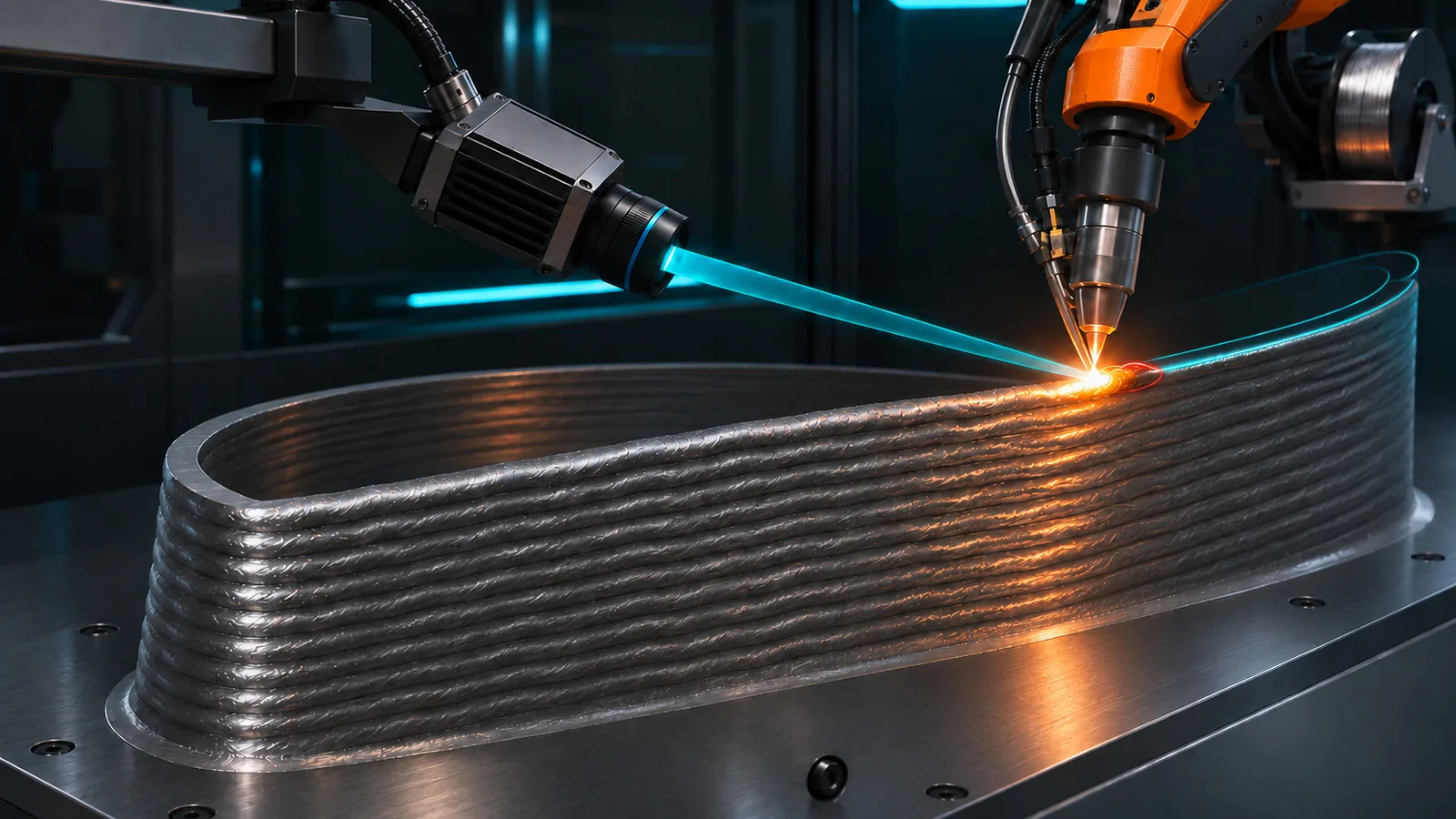
Computer vision and machine learning to recognize visual and temporal melt-pool patterns in wire-arc directed energy deposition (DED-Arc) of metals. The project builds an annotated dataset and reproducible models, and does not include closed-loop robot control.

Recognition of visual patterns associated with reading discomfort and educational inclusion.
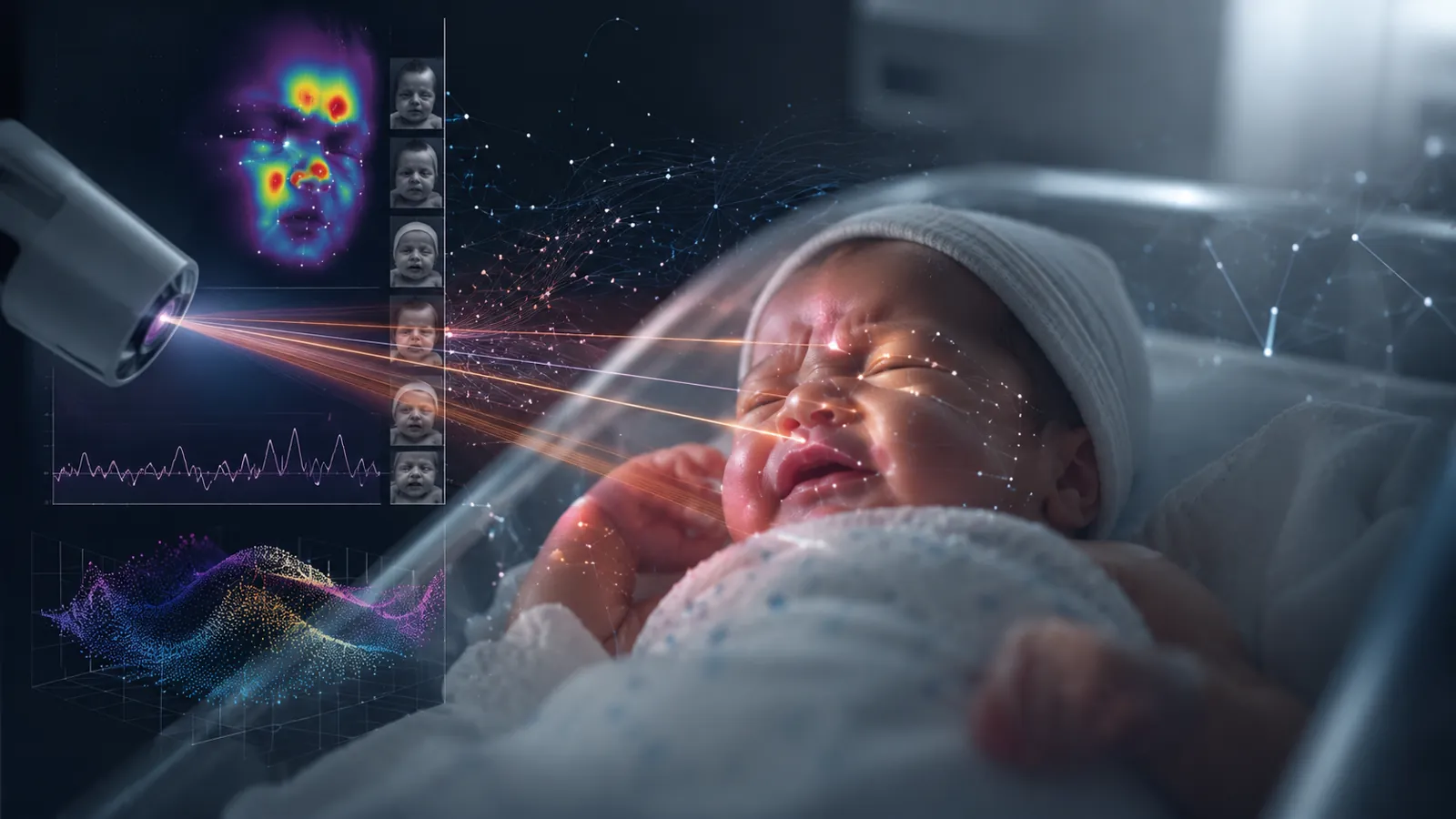
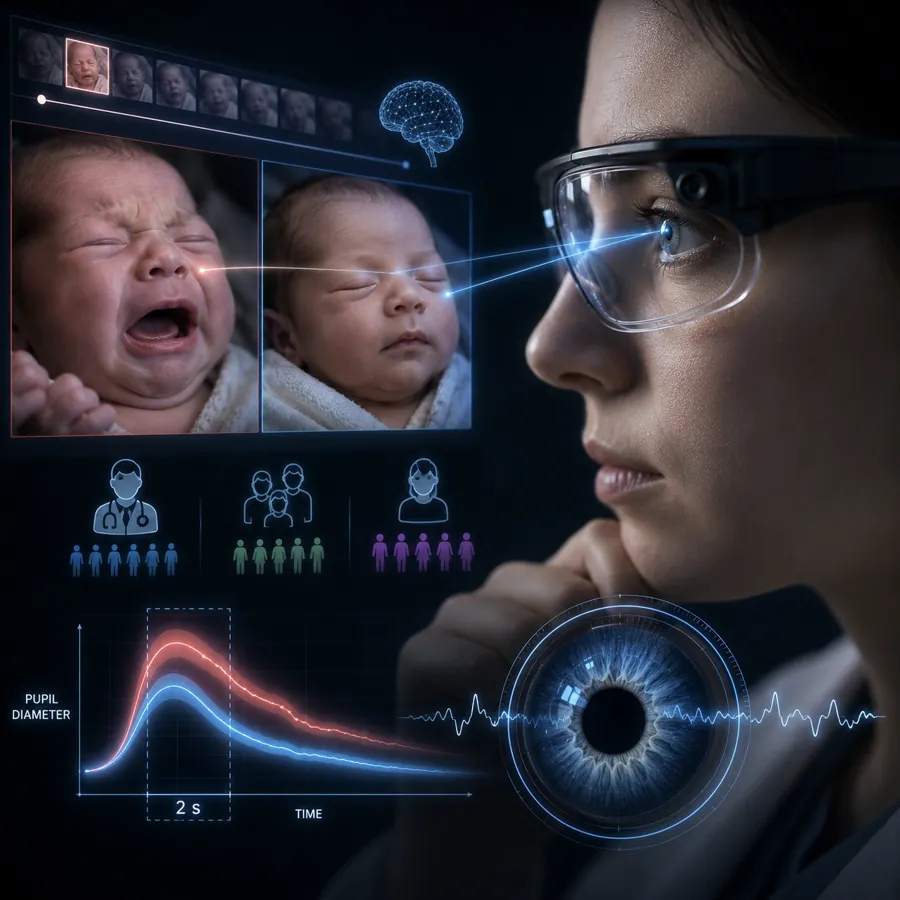
Analysis of visual attention while assessing facial expressions of pain in newborns.
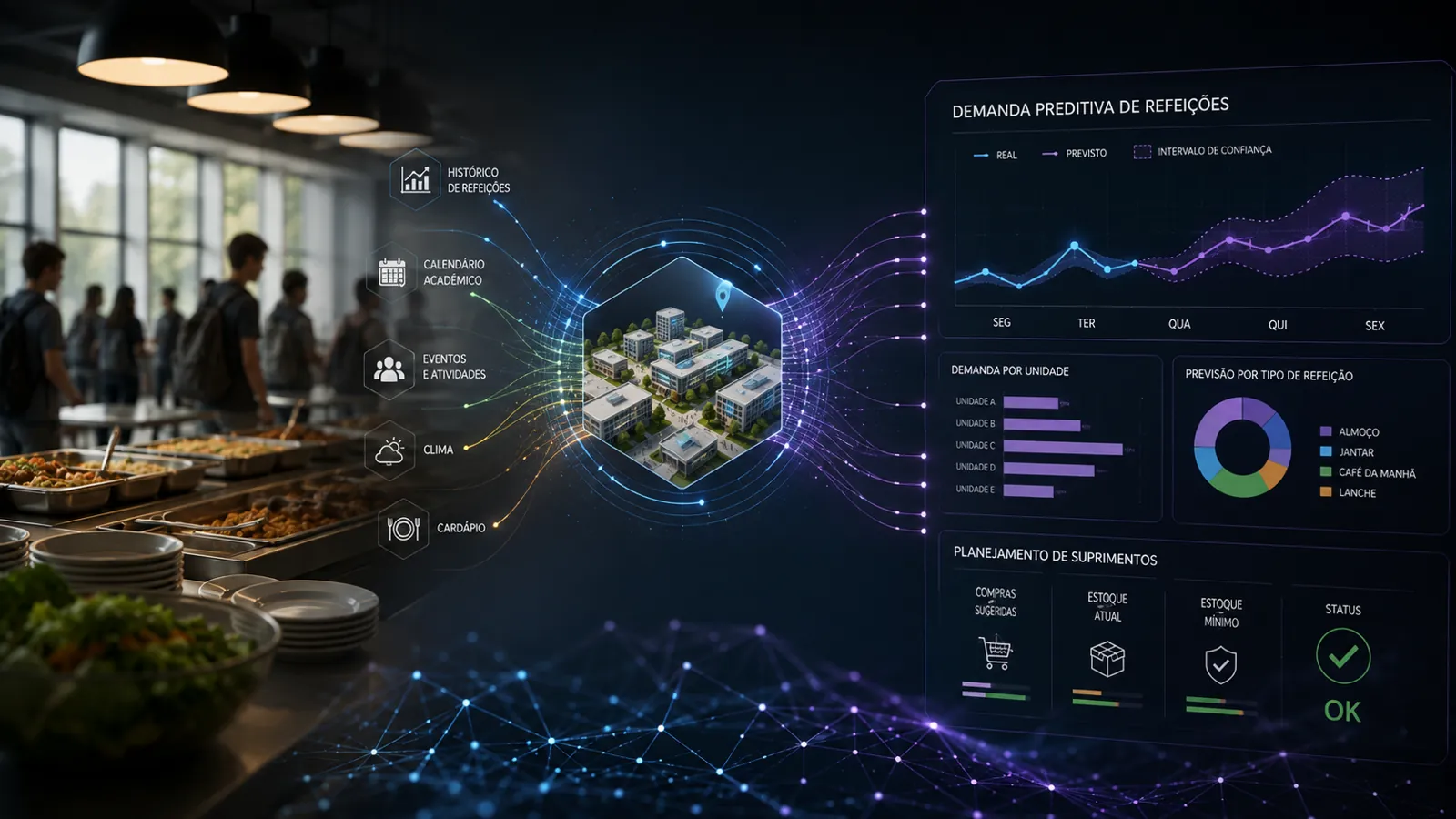
Data science and artificial intelligence applied to forecasting and decision-making in supply management.
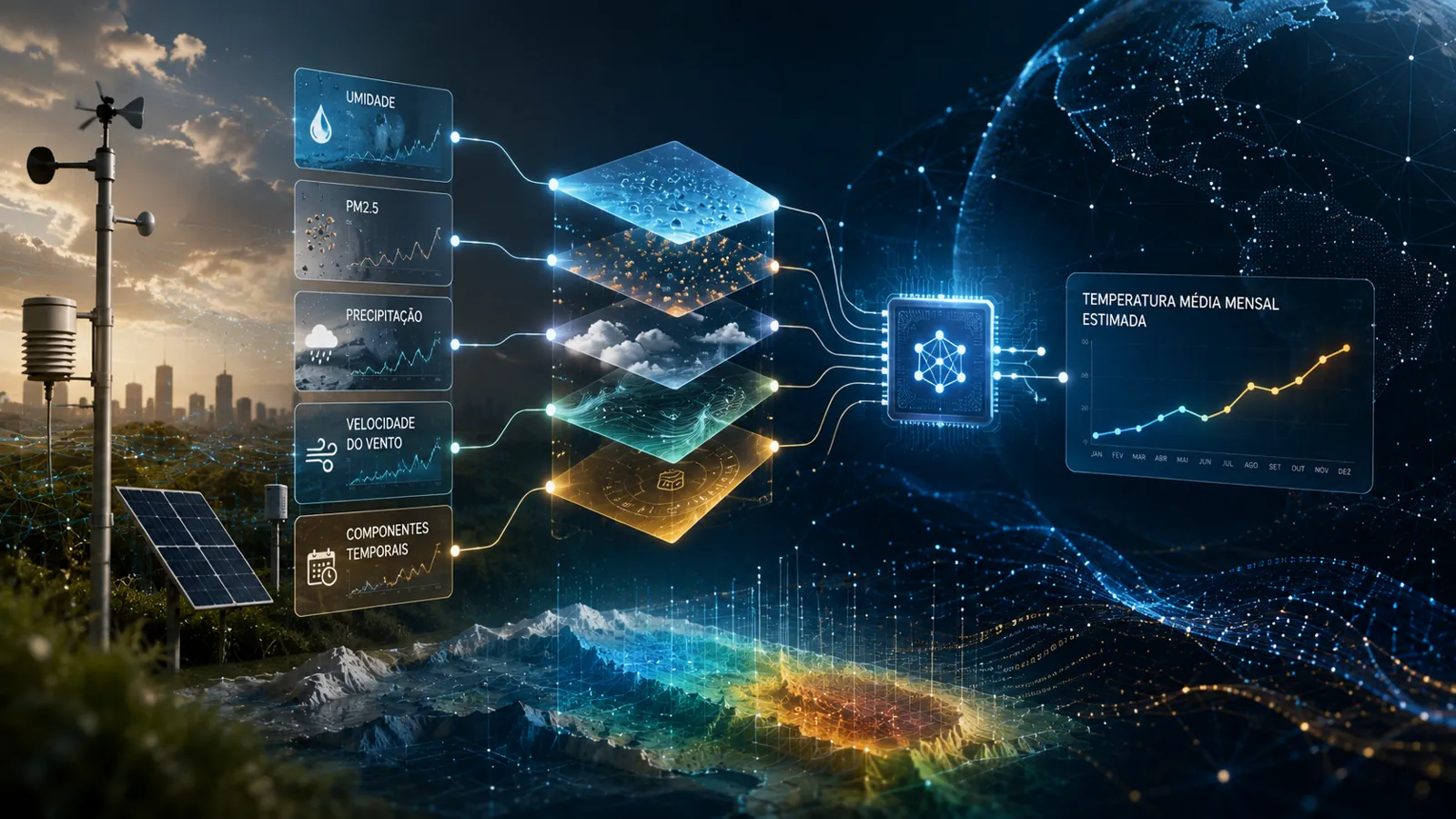
Machine learning framework that estimates monthly mean temperature from environmental and temporal variables, with an interactive simulator.
A repository of scientific output and works under review.
5 original programs with intellectual property registration, valid for 50 years.
Arima, C. H.; Feitosa, M. D.; Toledo, J. F.; Orsi, R. N.; Moura, A. L. E.; Pereira, M. M.; Cavalcante, W. A.; Costa, G. P. A.
INPI registration no. BR512026009095-4 · Python · registered on 09/10/2026Simões, E. A.; Ribeiro, R. B.; Costa, K. A.; Orsi, R. N.; Emolo, C. S. S.; Verona, J. A.; Sosa, T. P.
INPI registration no. BR512026008441-5 · Python · registered on 28/09/2026Arima, C. H.; Orsi, R. N.; Souza, M. S.
INPI registration no. BR512026008041-0 · Python · registered on 19/09/2026Arima, C. H.; Galegale, N. V.; Feitosa, M. D.; Toledo, J. F.; Orsi, R. N.; Ito, M.; Bonventi Júnior, W.
INPI registration no. BR512026001756-4 · Python · registered on 08/03/2026Feitosa, M. D.; Toledo, J. F.; Silva, A. R.; Orsi, R. N.; Haddad, M. R.
INPI registration no. BR512025005816-0 · Python · registered on 19/06/2025Lecture materials, hands-on activities and resources developed to guide students' studies. The materials are in Portuguese and some require a password provided in class.
Courses designed to turn scientific and technological foundations into applicable knowledge, connecting artificial intelligence, data analysis and pattern recognition.
Master's, doctoral and undergraduate research connected to real problems, rigorous investigation and the development of new scientific skills.
Currently 8 students are supervised or co-supervised, from undergraduate research to master's level, in topics such as demand forecasting, violence prevention, energy data and academic recommendation systems.
Interdisciplinary research at the interface of medicine, artificial intelligence and pattern recognition.
Development of the research project on tacit knowledge and visual behavior.
Leading research in pattern recognition applied to visual perception for the diagnosis of visual stress conditions.
Research in signal and image processing, eye tracking and computational analysis.
Advanced training in computational methods, signals and pattern recognition.
In-depth study of teaching practice and higher education training.
Mathematical training with emphasis on computing and problem solving.
New collaborations are considered when there is scientific convergence, potential for impact and alignment with the research lines under development.
rafaelorsi@rafaelorsi.comResearch data. Datasets and algorithms associated with the projects can be requested by e-mail, stating institution and purpose. Each request is reviewed individually.